


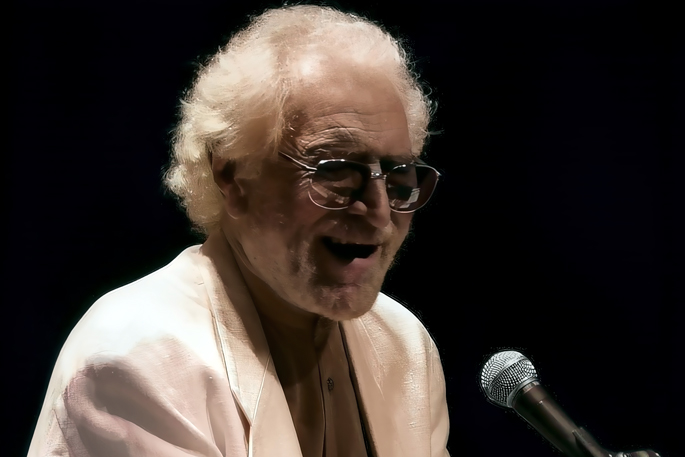
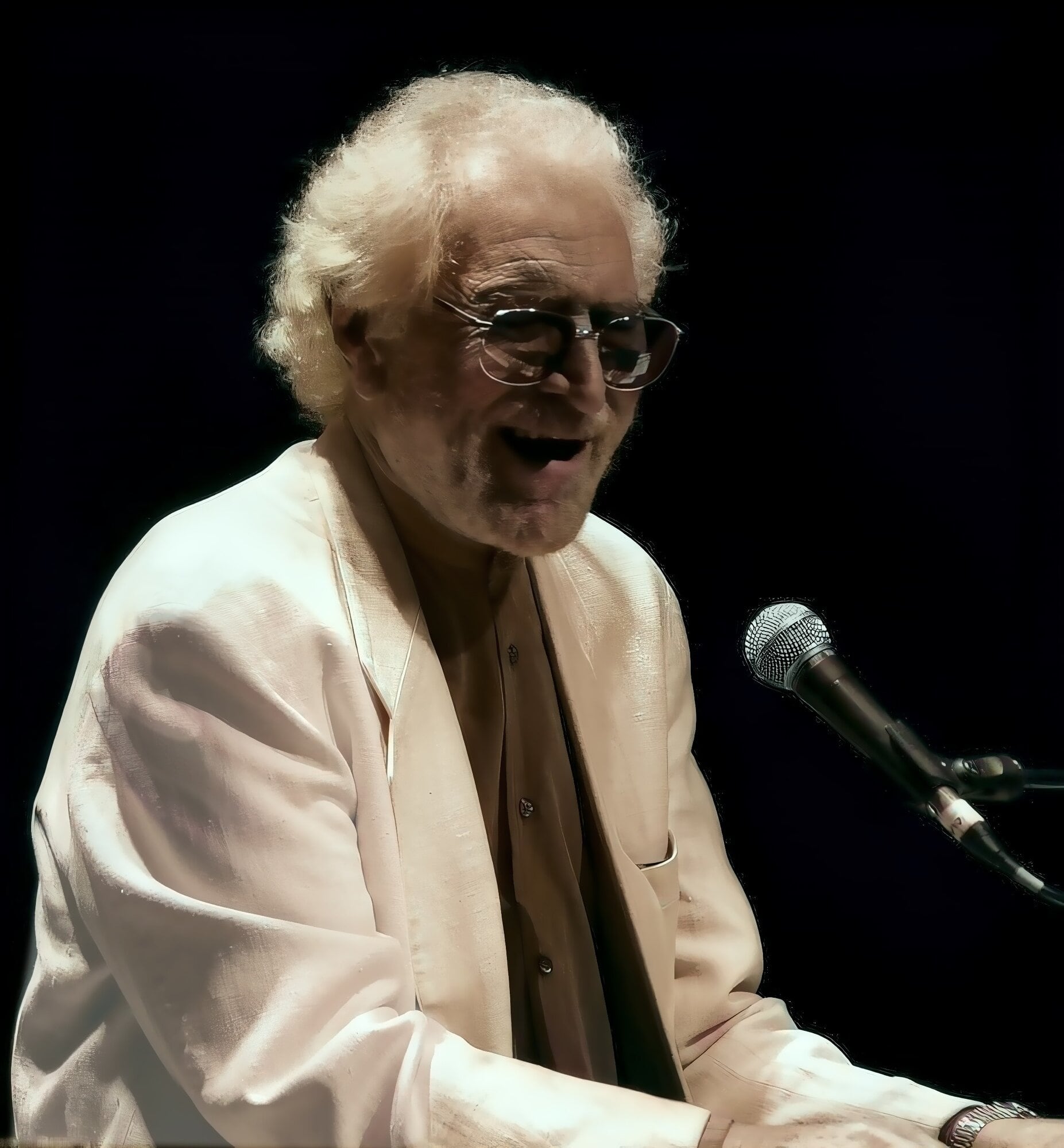
Roy Phillips, the singer and keyboard player who led organ trio The Peddlers to fame in the 60s and 70s, died at his home in Christchurch on April 24.
For the past decade, Roy struggled with emphysema which largely stopped him from performing though he continued to record in his home studio, The Groove Room. His most recent release was 2019’s Standard Procedure, a collection harking back to the classic Peddlers style, recorded with Wellington trumpet player Jeff Culverwell.
I was lucky enough to know Roy. He was truly one of the greats, with an inimitable voice and complete mastery of a Hammond organ. And he knew and had stories about everyone, from jamming with Frank Sinatra and sessions with Ritchie Blackmore to writing with Joe Cocker.
Born in 1941, Roy’s musical rise came in that vital decade between 1957 and 1967, when there was a crossover period and jazz players – Miles Davis, John Coltrane – footed it alongside rock music. It was also a time when jazz acts would reinterpret popular songs and you could find in the charts, simultaneously, a Beatles song by the Beatles and a jazz version of that same song. The best jazz crossover band was a three-piece organ combo called The Peddlers.
Cool cat
In the 60s, Roy was the epitome of cool, clad in a black turtle-neck, his singing a soulful growl, laying out teasing Hammond organ lines, keeping jazzy swing in the charts and playing everywhere from Ronnie Scott’s in London to Caesar’s Palace in Las Vegas.
The Peddlers were so popular that in 1968 CBS released a compilation EP of four acts: Simon & Garfunkel, Aretha Franklin, The Tremeloes ... and The Peddlers. They were big – 45 million records sold. Their biggest hit actually came in 1970 with a song Roy wrote, Girlie, but their material came from everywhere; 1930s jazz to 1960s pop.
Eventually, in 1981, after The Peddlers finished, Roy, who had fallen in love with New Zealand while on tour, came and settled here in the Bay of Islands. Laid low. Played occasionally. Bought a fish ‘n’ chip café. That’s where I met Roy.
He was humble, funny and charming and immediately you felt like a friend for life. Not everyone agreed, and his café had become somewhat legendary. It turns out Roy wasn’t entirely temperamentally suited to running a café. Many customers annoyed him. Particularly Americans. Because Americans demanded free water. Offended patrons wrote regularly to complain. In no time, Roy had an entire wall papered with complaint letters which he pointed to as a badge of honour.
It couldn’t last, particularly as the place was a franchise business. Roy and the franchise eventually parted company, which was the best thing that could have happened since Roy returned to music, touring intermittently, and recording again.
Storyteller
I spent as much time as I could hanging out with him. Roy was a great storyteller. I lapped up all those stories about the music scene, from Roy listening to Big Bill Broonzy as an awestruck teenager in the 50s, through his time with Joe Meek and the early English beat boom, to playing with Al Jarreau while touring the Playboy Clubs in America.
One night up there in the back bar of a pub while they were clearing out the front, Roy and I were the only people in. He sat at an upright piano and said “Right, what do you want to hear?” And for an audience of one he played what I still swear is the most soulful version of Georgia On My Mind ever heard.
RIP Roy. Thank you for the music.
-Derek Jacombs is a freelance entertainment writer in the Bay of Plenty.

0 comments
Leave a Comment
You must be logged in to make a comment.