


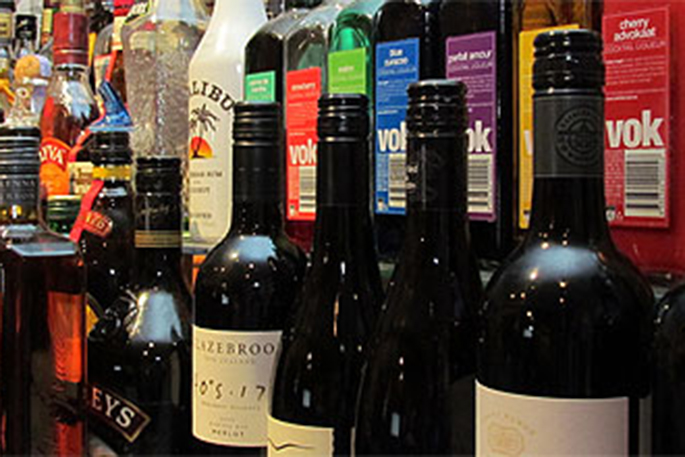
Often referred to as the silly season, people can make questionable choices as they get caught up in the frenzy of festivities.
So Alcohol&Me – an online programme that provides information and real world tools to help Kiwis make smarter decisions about their drinking – has a list of the most common drinking myths to ensure festive spirits consumed are done so with knowledge and insight.
Alcohol&Me's Jude Walter says her organisation is not here to stop people drinking.
'We want to empower Kiwis to stay safe and sociable by giving them some simple tips they can think about when they are out and about socialising,” says Jude.
'Unlike a new car or microwave, alcohol doesn't come with an instruction manual, so we want to help make it easier for people to understand alcohol and how it affects your body and mind.
'Experience shows us that when people are armed with good, practical information, they tend to make smarter drinking choices.”
Myth 1: Eating a big meal before drinking will keep you sober.
Fact: Food won't stop you getting drunk, but it will slow the pace at which your body absorbs alcohol. To stay safe and sociable it is important to eat before and during the occasion, and for the best results the next day, start with a good meal when you wake. Some good food choices include eggs, meat and dairy products that release energy slowly –helping your body to run efficiently and absorb alcohol during a longer period of time.
Myth 2: Coffee and a cold shower will sober you up.
Fact: Your liver – for females and males – can only process 10 grams of pure alcohol, or one standard drink, per hour and there is nothing you can do to speed up this process. Coffee or a cold shower might help to wake you up, but it won't speed up the body's ability to process the alcohol you have drunk. Time is the only cure.
Myth 3: Drinking alcohol makes you warm.
Fact: There is some evidence moderate alcohol consumption can make your skin blood vessels dilate. This makes your hands and feet feel warmer without actually having any overall effect on body temperature. So while your 'beer coat” may mean you feel warmer, you're actually not, so dress for the conditions!
Myth 4: Eating before bed will reduce your hangover.
Fact: While eating is really important before, during and after drinking, grabbing a kebab or a pie on the way home won't ward off your hangover. Alcohol has a diuretic effect, which means it makes you go to the toilet a lot. It's all the extra peeing that dehydrates you, and that can contribute to a headache. So when you are enjoying a few drinks you also need water and lots of it – before you drink, while you are drinking and when you get home. Better still, avoid the hangover in the first place by slowing the pace of your drinking and spacing out your drinks.
Myth 5: Puking helps you sober up and prevents hangovers.
Fact: Vomiting when you've been drinking is your body's way of preventing poisoning. You may feel better due to the shot of endorphins your body releases, but it will only be short-term. Alcohol is absorbed into your bloodstream almost immediately and spewing will only remove the small amount of alcohol that is actually in your stomach. Vomiting is also going to dehydrate you further, which is likely to mean a worse hangover the next day.
Myth 6: Beer before liquor, never been sicker. Liquor before beer, you're in the clear.
Fact: It is the amount you drink and not what your drink, or the order you drink it in that is important. Your liver can only process 10 grams of pure alcohol per hour and there is nothing you can do to speed this process up.
It is important to remember a standard drink is not necessarily a glass or a bottle. It differs depending on your drink of choice:
If you want to survive the festivities in style, get to know and understand what a standard drink looks like and don't kid yourself that it was 'only one wine”.
Be aware of the speed at which you drink so your liver can keep up and think about how you can space out your drinks to help make the good times last longer. Maybe a dance, a game of pool or a non-alcoholic drink?
For more tips and information, visit: alcoholandme.org.nz

0 comments
Leave a Comment
You must be logged in to make a comment.