


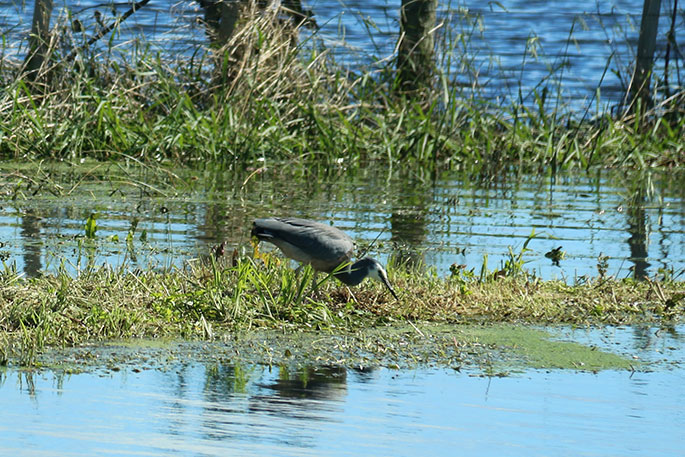
Native birdlife in the wetlands and forests of Bay of Plenty's Ohiwa Headland Sanctuary will receive a new line of defence.
A wave of 300 Goodnature A24 self-resetting traps have been installed along the peninsula.
The Ohiwa Headland Sanctuary Trust has installed the Goodnature A24 automatic Rat and Stoat traps in a bid to recover the many critically endangered native bird species found in the area.
The Headland is well known as an excellent bird-watching spot.
This latest wave of installations in the predator control network has been installed to reduce the threat of rat and stoat invasion and to help increase existing native habitat in the area.
The Headland is a diverse area made up of active farmland, private land, estuaries, and beachfront, which means a variety of landowners from farmers, bach owners and residents have come together to work on this important conservation project.
In addition, the area is a rich biodiverse area of ecological and cultural significance, being considers as an ancestral taonga of significance to many Māori groups such as Ngati Awa, Upokorehe, Whakatohea and Ngai Tuhoe.
It's home to many wetlands, estuaries, beaches and forested land where native bird and plant species have thrived until predator species were introduced.
A diverse range of shore and forest birds inhabit the area including bittern, dotterel, kiwi, kaka, oystercatcher, weka, heron, shags, tui, and native duck species.
Most of these species are threatened, if not considered nationally critical. Forest gecko have been spotted in the area, along with other native lizard species.
Invasive pests have wreaked havoc on the native flora and fauna, as rats and stoats eat seeds, seedlings, foliage, eggs and chicks.
The Ohiwa Headland Sanctuary group has been trapping in the area for the past two years with a smaller trap network of DOC 200's laid out along the roadways and ridges of the area.
Pesticide use in the area is not viable, given the diverse land use.
'Goodnature is stoked to be able to support this awesome community initiative. Community groups play an integral role in the protection and conservation of our native species, and it's great to see what the Ōhiwa Headland Sanctuary Trust is setting out to achieve here,” says Goodnature's technical expert Sam Gibson.
'This layout with help with minimising trap checking time and establishing multiple-strike options for landowners who are not residents in the area. An A24 only needs to be checked once every six months.”
The layout team has focussed their efforts on the northern area of the Headland, using the natural water barrier to limit reinvasion.
It will create a unique opportunity to eradicate rats, possums and stoats from the land and secure the headland through constant control.
The Ohiwa Headland Sanctuary Trust has been operating for nearly two years and has a volunteer workforce made up of the 150 residents that live in the area.
Each resident has a trap in their backyard. Glaser founded the Trust and fundraised $30,000 within the first year of being established for trapping.
The A24 automatic trap, developed by Wellington conservation technology company Goodnature, is the world's only predator trap which automatically resets up to 24 times before it needs to be serviced by a volunteer.
It has been proven to reduce pest populations down to near undetectable levels and keep them suppressed. The network of traps will reduce pest levels so native birds and the forest are protected.
The Goodnature A24 automatic rat traps were installed following the fundraising of $30,000 by the Trust through the use of PFNZ grants, donations and fundraising events.
Glaser helped bring together the different communities in the Headland area- all up, the residents cover 50,000ha of land and this funding will go towards setting up sustainable trapping infrastructure.

0 comments
Leave a Comment
You must be logged in to make a comment.