


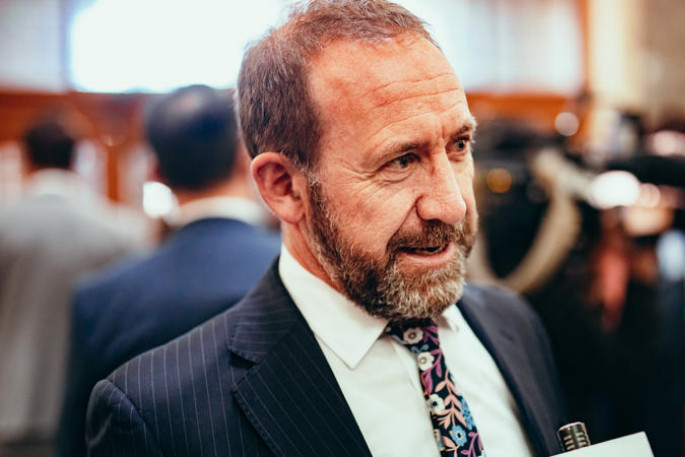
The government is putting more resources into iwi and hapu customary marine and coastal claims.
The Minister for Treaty Negotiations Andrew Little now expects such claims to be settled in up to 30 years, instead of a century.
A Waitangi Tribunal kaupapa inquiry found the Marine and Coastal Area (Takutai Moana) Act is in breach of the Treaty because it had not funded all costs incurred by whanau, hapu and iwi going through the process.
It also found there was a lack of detailed policy and strategy for those going through the Crown engagement pathway, who had "fallen into a kind of administrative limbo".
There are currently 387 claims in total, which Minister for Treaty Negotiations Andrew Little says would take a century to work through.
"That is clearly unacceptable," he says.
"The feedback we've had from iwi, hapū and whānau is that it's taking way too long, it's too complex... we've now come up with another strategy that means we can bring down the period of time to resource all the outstanding claims to between 10 and 20 years.
"Under the new strategy, the Crown will engage with all iwi, hapū, and whānau groups across 20 coastal areas to timeframes informed by applicants."
Iwi, hapu and whanau claimants would be better resourced to research and establish their claims, he says.
"For those that are ready and willing and able to come together within groups - bearing in mind the nature of the coastal claims is there is typically multiple claimants to a particular stretch of coastline - we will now be able to get on and get engaged and they will see some action sooner rather than later," Little says.
Three-step process
Crown engagement would begin in the coming months.
It will create a three-step process of initial engagement; research and evidence gathering; and determination and recognition, which would either be considered by the Minister for Treaty of Waitangi Negotiations or the High Court.
The Takutai Moana Act replaced the controversial Foreshore and Seabed Act, although unlike its predecessor, it says neither the Crown or any other person owns the foreshore and seabed.
However, it does offer iwi and hapu - who can prove they have exclusively used and occupied the foreshore and seabed since 1840 without substantial interruption - two types of rights: customary marine title and protection customary interests.
Customary marine title enables hapu and iwi to exercise legal rights in resource consent process, ownership of non-Crown minerals and protection of wāhi tapu, while protected customary rights allows hapu and and iwi to undertake a traditional activity like launching a waka or gathering hangi stones with a resource consent.
The High Court recently ruled in favour of granting six hapu of Whakatōhea protected customary and customary marine title, only the second time the new legislation has been tested.
It gave Ngai Tamahaua, Ngati Ruatakenga, Ngati Ira, Ngati Ngahere, Ngati Patumoana and Upokorehe customary marine titles.
Another hearing will be held early next year to define the particular boundaries of the six hapu who were granted customary title, but the Ngati Muriwai, Ngati Ira o Waioweka, Te Uri o Whakatohea Rangatira Moko, Ngai Tamahaua, Te Upokorehe and Whakatohea Maori Trust Board had their protected customary rights recognised, which were different for each hapu.

1 comment
Slippery slope
Posted on 12-06-2021 21:08 | By Johnney
The recent Whakatōhea settlement is around the mussel farming on the East Coast. Looking at other settlement processes many claims are not even validated and based on myths and legends and are never verified. Grievances by genuine hapu members are ignored as Te Arawhiti will only deal on an iwi level. The whole system and processes are very questionable.
Leave a Comment
You must be logged in to make a comment.