


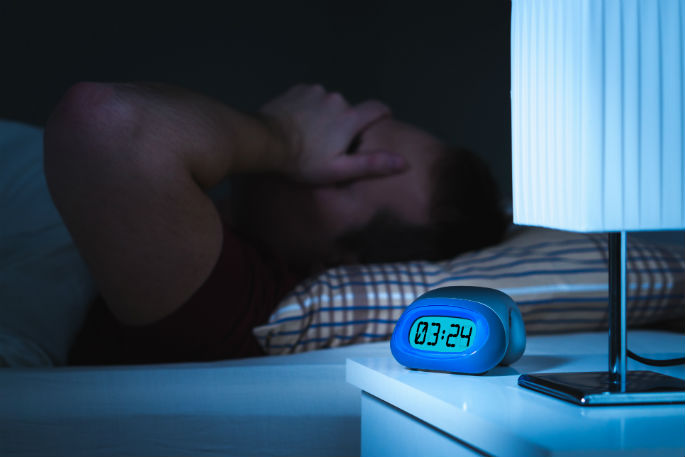
Nocturnal wakefulness and worry – all is not well across New Zealand.
In the Bay of Plenty, 65 per cent of adults are having trouble sleeping through the night.
Just over half experience restless sleep 56 per cent and 42 per cent have trouble falling asleep, according to new research from Sleepyhead.
National sleep research has long highlighted that about a third of adults are not getting enough sleep, but has not highlighted how the Covid-19 pandemic has effected sleep.
As part of its ongoing commitment to improve sleep health in New Zealand, Sleepyhead conducted an online survey during Sleep Week in May to check in on how Kiwis are sleeping these days.
The response was overwhelming, with more than 13,000 people across the country choosing to complete the survey and talk about their sleep.
The prevalence of sleeplessness revealed in the study, highlights that many of us may be unintentionally putting our wellbeing at risk. Inadequate sleep and ongoing sleep deficiency has been linked with increased risk of chronic disease and mental health issues.
The 56 per cent of those not getting a good night's sleep said they don't do anything about it and have learned to just ‘tough it out.'
A poor night's sleep has 65 per cent of respondents feeling fatigued or exhausted, and 30 per cent indicate that poor sleep affects their mental health leaving them feeling down or depressed.
The study shows 63 per cent have reduced motivation, 51 per cent have difficulty concentrating or remembering, and 53 per cent say unsatisfying sleep leaves them feeling moody or irritable.
Sleep coach and author of sleep improvement book, Sleep Easy, Bernice Tuffery says while this data may lean towards those people struggling with sleep, many of the findings reflect other studies highlighting the prevalence of sleep issues in New Zealand, and the known daytime effects of poor sleep.
The New Zealand Sleep Foundation recommends adults should aim to get seven to nine hours of sleep per night.
Bernice says the lack of confidence in sleeping well amongst those who participated in the study is concerning.
'Now more than ever, we need people to feel confident about getting a good night's sleep and for them to have access to knowledge and support that will enable them to sleep well.
'Sleeping well makes such a difference to our lives – physically, mentally and emotionally. Prioritising and taking good care of our sleep matters more than ever in these times of uncertainty and Covid.
'Satisfying sleep quality, quantity and consistency strengthens our immune system and fortifies our resilience. With stress-levels running high, we need to consciously create and maintain habits that are conducive to getting a good night's sleep.”

0 comments
Leave a Comment
You must be logged in to make a comment.