


We all love being out and about on the water enjoying the marine environment and its many wonders.
But we are also seeing the major impact recreational boating can have on the health of our harbours and oceans. Damage to the marine creatures and their habitats, water quality and air pollution can all result from recreational use of the water.
Being ‘green' is now in fashion, everyone seems to be talking about ‘climate change' and ‘sustainability'. The move towards (or back to!) more environmentally friendly ways and products is alive and well. But it doesn't mean you have to change the way you use and maintain your boat – what it means is now is a good time to consider how you do things, the products you use and the impact of those on the marine environment.
So to help, here are some simple top tips for ‘green boating' to help take care of the marine environment.
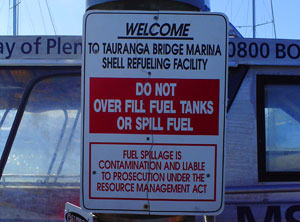
• Use safe refuelling practices – Whether at home, at the marina or at the petrol station, do your best to avoid spills while refuelling. If you have a trailer boat, fill the fuel tank while the boat is on the trailer, not in the water. Know how much fuel your tank should take and don't fill it right to the top. Fill the tank slowly. Keep an oil absorbent pad handy to wrap around the fuel nozzle to avoid any fuel spilling out into the water.
• Dispose of rubbish properly – Where possible reduce the amount of products you need, reuse if you can and recycle what is left. Try to minimise the amount of plastic and packaging you take onboard and dispose of it in the recycling or rubbish bins back on shore. Have a boat rule where no rubbish gets thrown over – not even banana skins or cigarette butts.
• Reduce in-water cleaning and maintenance – Most paints used to maintain boats contain many harmful chemicals. Try to do all chipping and painting in an appropriate area away from the water. Use a drop cloth to catch dust chips and spills, and vacuum up loose paint chips and paint dust as quickly as you can. In-water bottom cleaning can release excessive amounts of toxic antifoul paint into the water so it's best to keep that to a minimum.
• Reduce oil discharges – Try to keep your engine well maintained to minimise oil drips into the bilges. Have oil absorbent pads ready to use for even the smallest of oil spills. Check with your marina or local council where you can dispose properly of used oil, oil filters and oil absorbent pads.
• Use non toxic cleaners – Most of the boat cleaners that are easily available contain chlorine, ammonia, phosphates and other chemicals that can damage marine life. Try to look for cleaners that are less harmful (with fewer chemicals). Reduce the effects of grey water on the marine environment by using low or phosphate free soaps and detergents while onboard and minimise the amount discharged.
• Dispose of sewage properly - There are regulations around disposing of sewage from a boat for a reason – to protect the water quality. Make sure you are familiar with these. If at all possible install a holding tank.
Waterline will be featuring monthly articles looking into more detail at a number of these top tips for eco-friendly boating. But if you are keen to get more information on any of these ideas, there is a wealth of facts available on the internet or contact your Regional Council.
By Lucy Brake

0 comments
Leave a Comment
You must be logged in to make a comment.