


The Waikato region is a big food producer through its farming sector, helping feed the nation, and the world.
But new research for the national ‘Love Food, Hate Waste' campaign which launched today shows a significant amount of food is being thrown out by householders in this country.
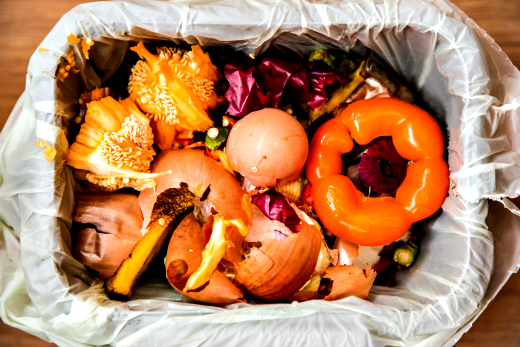
Food wastage in the Waikato region costs an estimated $85 million each year, according to a survey conducted by the Love Food, Hate Waste campaign which launched today. Photo: Thinkstock
This food waste is costing the nation nearly $900 million a year by one measure, and the Waikato region is responsible for about a tenth of the estimated wastage, or around $85m annually.
Waikato Regional Council's waste minimisation facilitator Marianna Tyler says these figures indicate householders are spending way more than required on food.
'[They are] also sending a lot more waste to landfills than they should, meaning unnecessary spending and placing unneeded pressure on waste disposal resources.
'The figures from the research also don't take into account the water and energy resources that are used in the production, transport and distribution of the food that is being dumped.”
Marianna says what has come as a surprise from the household audits was the amount of food being thrown away which was still edible.
Whole loaves of bread, unopened yoghurts and uneaten apples were just some of the foods that have been found in audits across the country.
'Food waste sent to landfill also contributes to emissions of greenhouse gases that contribute to global warming and climate change,” says Marianna. 'Nationally it's estimated that ending food waste would be like taking nearly 120,000 cars off the road.”
Marianna is urging households to reduce food wastage through better planning of food purchases and meal planning, better management of food storage and checking of expiry dates, and ensuring waste foods are composted where appropriate.
This composted waste is ideal for use in the garden or to feed domestic animals like chickens, instead of simply just being dumped in the rubbish.
Marianna adds: 'There are also options for businesses in the region including donating surplus food to places like food banks and other agencies that distribute supplies to those in need.”
'For example, the Waikato Environment Centre coordinates a food rescue programme called Kaivolution.
'Since Kaivolution launched in October 2014, over 5.2 tonnes of food has been rescued from reaching landfill and redistributed to where it's needed most in the Waikato community.”
The national research on waste included surveying 1,365 New Zealanders, examining the contents of 1,402 household rubbish bins and giving 100 families diaries to record food disposal for a week.
Findings from the surveys include:
- Kiwis spend an estimated $872m a year on food that then gets thrown away uneaten.
- Over 122,547 tonnes of food a year is thrown away throughout the country – enough to feed around 262,917 people, or more than half the people in the Waikato region.
- Bread, fruit and vegies, and meal leftovers are the most commonly discarded foods.
- The average household sends around 79 kilos of edible food to landfills every year.
- In the Waikato region, avoidable food waste costs the average household about $563 a year or around $85 million in total.
The ‘Love Food, Hate Waste' campaign is being overseen in the Waikato by the regional council together with city and district councils.
'The Love Food, Hate Waste campaign aims to bring the problem out into the open and provide information and resources to help Kiwis cut the waste, save money and make the most of our valuable resources,” says Marianna.
For more information visit: www.facebook.com/lovefoodhatewastenz

0 comments
Leave a Comment
You must be logged in to make a comment.